
Cut Macular Degeneration Risk With These Leafy Greens
Age-related macular degeneration (AMD) is a common eye disease that causes blurry or total loss to your central vision. It occurs mostly due to aging, impacting more than 15 million Americans per the CDC. It's important catch macular degeneration early to preserve eyesight and keep the disease from progressing. Eating the right leafy greens can help.
AMD is the leading cause of blindness or vision loss to Americans over the age of 65. AMD is also a major cause of vision loss worldwide—only falling behind by cataracts. However, AMD is considered the leading cause of blindness in developed countries.
There are two types of AMD, which are classified as dry (the most common) and wet (the least common, but most dangerous) forms. The term “macular degeneration” comes from the part of your eye that processes your central vision called the macula. The macula is located at the center of the retina, in the very back of the eyeball. This part of the eye is pivotal in being able to see what is directly in front of you. With AMD, the macula becomes damaged, so much so that anyone with it can eventually lose their central vision. Most of those who are diagnosed with AMD retain good peripheral eyesight since becoming entirely blind from the disease is rare. But everyday activities such as driving, sewing, reading, or cooking will become incredibly difficult to do—impossible even.
According to the American Academy of Ophthalmology, several risk factors of getting AMD include: having family history of AMD, Being overweight, Smoking cigarettes, Being over 50 years old, Having a diet of high saturated fats, Being Caucasian
Of all AMD patients, 8 out of 10 of them are diagnosed with the dry form. Dry AMD (otherwise known as atrophic AMD) occurs when yellow-ish deposits, called drusen, grow on and around the macula. These deposits can grow easily due to the aging and thinning of the macula. Because this gradually happens over time, dry AMD is considered a progressive disease.
There are three stages to dry AMD: early, intermediate, and late. During the early stage, most people do not have symptoms. In the intermediate stage, many will still not have symptoms. However, some will have a harder time adjusting their eyes to light (i.e. walking into a dark room) and some will even experience slight blurry vision to their central eye. Lastly, during the late stage, people will have a harder time seeing straight lines as everything will start to appear wavy, curvy, or even crooked. Blurry spots or blank spots will begin to appear in the central vision, and those can get bigger over time. Adjusting to environments with lower-lighting will be even harder than before. Additionally, colors that were once so vibrant will become lack-luster.
If a person is in the early stages, annual dilated eye exams are the best route to follow as our doctor can track the changes in your macula. And if diagnosed with intermediate dry AMD, the regiment of vitamin supplements known as the AREDS 2 formula can slow down the progression of the disease dramatically—and the best part is that this supplement can be bought at almost all drugstores. Unfortunately, if dry AMD progresses into the late stage, there is no treatment to slow it down or reverse it. It is at this stage where it could get worse and turn into wet AMD. This is why it is very important to have annual visits with your eye doctor.
Wet AMD (also called advanced neovascular AMD) is considered the worst form of macular degeneration than the dry form. But it is noteworthy that wet AMD always starts out as the dry form. This is because those with wet AMD have progressed so much in the late stage of dry AMD. And because of the gravity of being so far into the late stage, those with wet AMD lose their central vision at a significantly faster pace. According to the Mayo Clinic, wet AMD occurs because of fluid build-up and newly forming blood vessels in the eye. The protein responsible for the growth of these new blood vessels in the wrong place of your eye is called the vascular endothelial growth factor (VEGF).
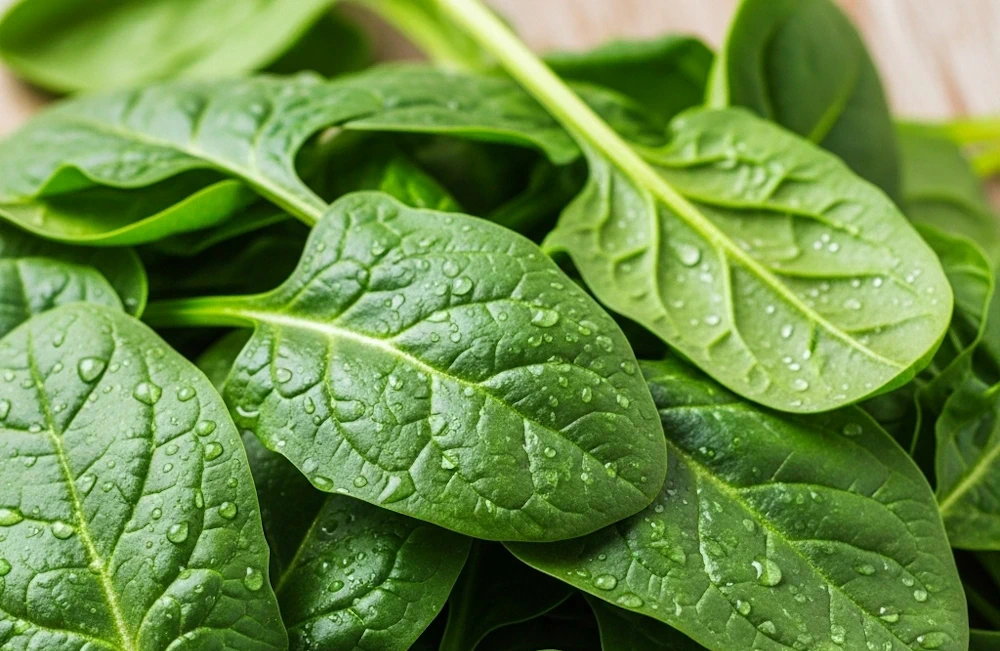
A diet rich in certain colorful, nutrient-dense foods can help lower the risk of age-related macular degeneration (AMD), a leading cause of vision loss in older adults. Central to this protective effect are dark leafy greens like spinach, which is especially high in lutein and zeaxanthin—antioxidants that accumulate in the retina and filter harmful blue light. Regularly enjoying fresh spinach in salads, lightly sautéed side dishes, or smoothies provides these carotenoids in a form that the body can absorb well.
The list of leafy greens includes not only spinach, but also kale, collard greens, and Swiss chard, which share similar eye-protective pigments. Brightly colored vegetables like broccoli, peas, and orange bell peppers add more lutein and zeaxanthin while offering vitamin C, another antioxidant linked to reduced AMD progression. Other vegetables on the risk-reduction list include carrots, sweet potatoes, and winter squash supply beta-carotene, which the body can convert to vitamin A, supporting overall eye health.
Cold-water fish such as salmon, sardines, and mackerel bring omega-3 fatty acids—particularly DHA and EPA—that nourish the retina and may help counter inflammation that contributes to macular damage. Nuts and seeds, including almonds and sunflower seeds, provide vitamin E and zinc, both associated with lower AMD risk in large clinical trials. Citrus fruits and berries add a vitamin C boost, while whole grains and legumes contribute zinc and other trace minerals important for retinal function.
Together, these foods create a nutrient-rich pattern that protects the eyes by combating oxidative stress and maintaining healthy retinal tissues. Making spinach and other leafy greens regular staples, complementing them with colorful vegetables, omega-3-rich fish, and antioxidant-packed fruits and nuts, can be a practical and enjoyable way to support long-term vision health and reduce the likelihood of macular degeneration.