
The Complete Keystone RV Buyer's Guide
Keystone RVs have built a highly recognizable lineup by focusing on mainstream towable categories. The portfolio spans travel trailers, fifth wheels, and toy haulers, making it easy to start with the towing format and then narrow down to the kind of interior and trip style that fits. For buyers who want floorplan variety from a single manufacturer, Keystone often feels like an efficient way to shop.
Keystone’s strength is how clearly the lineup is organized around names that mean something in the market, rather than a confusing stack of trim labels. Instead of trying to make one trailer satisfy everyone, Keystone tends to separate families by how people actually camp: comfort-forward travel trailers, premium fifth wheels meant for long stays, and purpose-built haulers for gear-heavy weekends. That structure matters because RV satisfaction is usually determined by small, repeatable routines—sleeping, storage, cooking, and setup—more than by a single flashy feature.
On the fifth wheel side, Cougar is often treated as the brand’s mass-appeal “sweet spot,” positioned to cover a broad range that includes multiple fifth wheel directions plus travel trailer options under the Cougar name. The appeal is the sense of a mature, long-running product family that can meet different towing and space preferences without requiring a jump to a completely different brand identity. For shoppers who want something that feels established and widely supported, Cougar often reads as the practical choice with enough refinement to feel like an upgrade. (keystonerv.com)
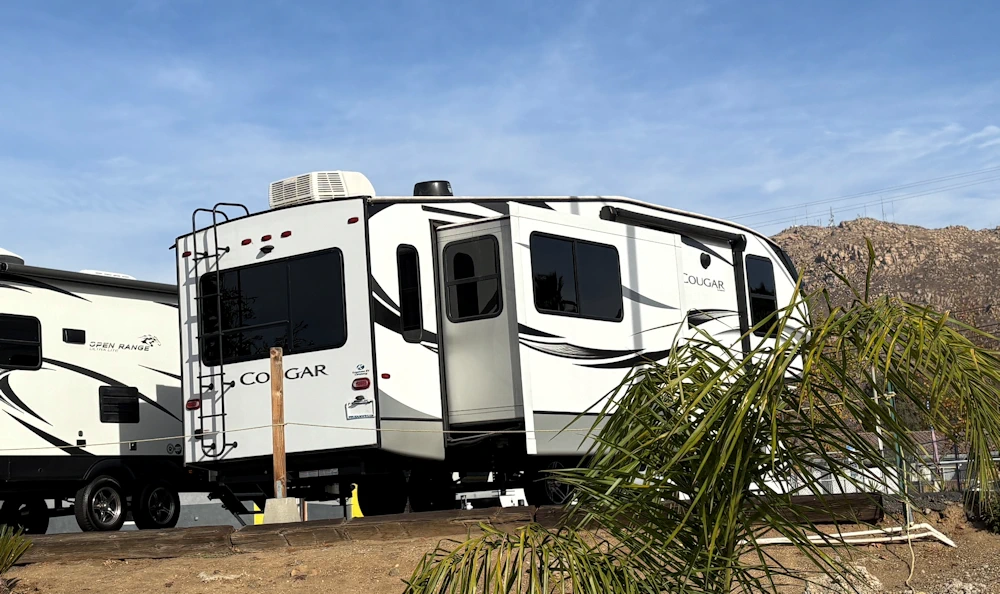
Where Cougar aims for broad coverage, Montana is framed as Keystone’s premium, long-stay flagship, built around luxury fifth wheel living and layouts meant to feel residential once parked. The positioning emphasizes the idea that the model is shaped by real travel use, with a focus on durability and day-to-day livability rather than only showroom impact. In the marketplace, Montana’s appeal tends to hinge on the “move-in” feeling: bigger living zones, a master-suite mindset, and a floorplan strategy that supports extended travel rhythms. (keystonerv.com)
For buyers who want the comfort of a fifth wheel vibe in a travel trailer format, Outback is presented as a luxury travel trailer line designed for camping comfortably, with a feature-forward approach that leans into the idea of bringing upscale amenities on the road. This is the lane for shoppers who prioritize interior atmosphere—kitchen presence, lounge comfort, and a more finished feel—without stepping into the size and towing realities of a large fifth wheel. Outback tends to be the kind of trailer that sells the “upgrade” feeling quickly because it focuses on how the space lives.
Keystone also pushes Outback into a more adventure-oriented direction with OBX, which is framed around compact off-road luxury and an available off-road package for unpaved-road exploration. That move matters because it signals how Keystone is carving the lineup into clearer sub-identities: one direction aimed at comfortable resort-style camping, and another aimed at smaller, more flexible rigs that can chase less-polished destinations. The more the brand splits these lanes cleanly, the easier it becomes for buyers to identify what they want without compromising too much. (keystonerv.com)
In practical ownership terms, the “best” Keystone experience often comes down to choosing the right size and floorplan philosophy rather than chasing the most features. Families who prioritize sleeping capacity and everyday routines often do best with layouts that keep traffic flow simple and storage easy to access, while couples and extended-stay travelers tend to benefit from larger lounge zones and bedroom suites that feel comfortable for long stretches. Keystone’s lineup breadth makes that matching process easier, because there are usually multiple floorplans that express the same lifestyle idea at different lengths and weights.
Keystone’s scale also shows up in how it supports shopping behavior, with Build & Price and floorplan filtering tools across major product families. That makes it simpler to compare lengths, weights, sleeping capacity, and amenity choices without relying solely on dealer explanations. In an RV purchase, that kind of structure helps reduce the most common regret: buying a layout that looked great for ten minutes on a lot but does not match the way trips actually unfold.
Long-term confidence is also part of the Keystone story, and warranty coverage is one of the most concrete ways the brand frames that predictability. Keystone describes a 3-year limited structural warranty as a core part of its ownership promise, emphasizing structural coverage terms and transferability details that can matter to buyers thinking beyond the first season. For many shoppers, that kind of framework helps an emotional purchase feel more rational, especially when the RV is expected to see frequent use. (keystonerv.com)
Keystone RVs ultimately appeal because they offer a clearly segmented lineup with enough breadth to serve very different camping styles, from premium long-stay fifth wheels to comfort-forward travel trailers and more adventure-oriented, compact directions. The brand’s best-case outcome is an RV that feels like it was chosen for real routines: the way mornings start, the way nights end, and the way gear and people move through the space. When the floorplan match is right, Keystone’s biggest advantage becomes obvious—choice without chaos.
DailyAffairsNow is for informational purposes only. Best attempts are made to ensure reliability and timeliness of information. DailyAffairsNow does not offer products or services of any kind for sale.