
The Forgotten Vitamin E That Supports Healthy Liver Function
Supporting liver health is essential for our health, yet certain nutrients that support it are oft overlooked. Vitamin E is an essential fat-soluble nutrient that supports fundamental biological processes, yet it is often treated as an afterthought compared with more talked-about vitamins. This fat-soluble supplement can provide significant benefits, in particular for liver function.
In the body, vitamin E functions primarily as a powerful antioxidant, helping protect cells and tissues from damage caused by free radicals, which are unstable molecules generated through normal metabolism and environmental stress. Because those protective effects apply to cell membranes throughout the body, vitamin E is considered critical for normal function across multiple organs rather than being limited to one system, making it a nutrient that deserves steady attention rather than occasional curiosity. (NIH Office of Dietary Supplements)
Beyond its antioxidant role, vitamin E supports immune defense, blood vessel health, and red blood cell formation. It helps the body keep blood vessels open and prevents blood components from clumping in ways that could interfere with circulation, while also helping maintain healthy retinal cells in the eye and contributing to neurologic integrity over time. It supports the body’s ability to respond to everyday stressors, including pollution, smoking exposure, and natural byproducts of energy production, all of which generate oxidative stress that can injure cells if not controlled. In short, vitamin E is part of how the body preserves itself at the cellular level from day to day. (MedlinePlus)
True vitamin E deficiency is rare in generally healthy adults, but when it does occur it can be serious, because the nervous system is especially sensitive to low levels. Long-term deficiency can damage nerves and the spinal cord, leading to muscle weakness, balance problems, trouble walking, numbness or tingling in the hands and feet, and sometimes vision changes caused by stress on light-sensing cells in the retina. In severe inherited or absorption-related deficiency, coordination can deteriorate over time in a pattern called ataxia, and that loss of stability can become progressive if not corrected. (MedlinePlus Genetics)
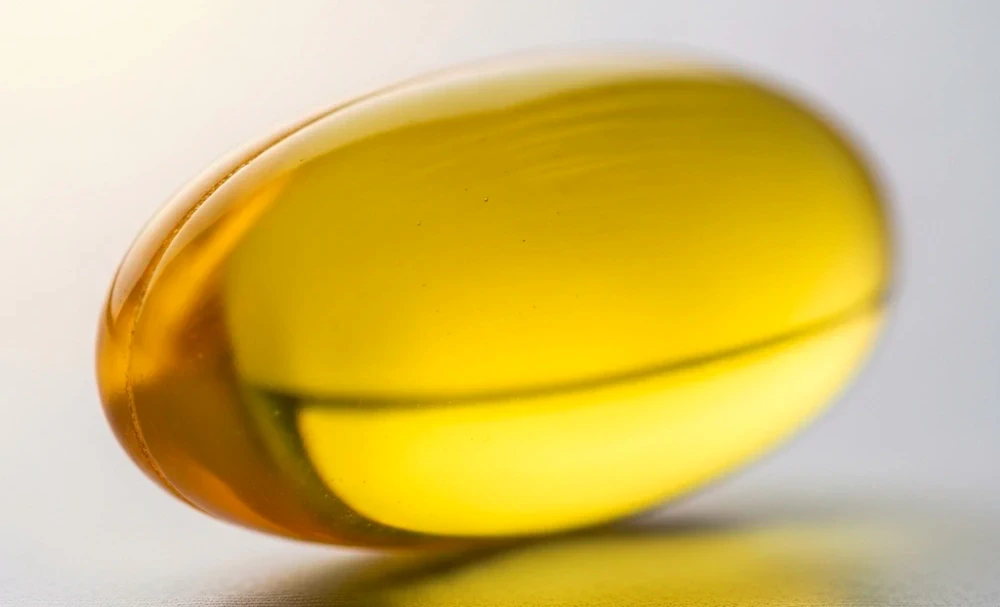
The body cannot make vitamin E on its own, which means it must come from food or supplements. The current recommended intake for most adults is 15 milligrams per day of alpha-tocopherol, the form of vitamin E that the human body actively maintains in the blood. Foods naturally rich in vitamin E include plant oils such as sunflower, safflower, and wheat germ oil, as well as nuts, seeds, and leafy greens; fortified cereals can also contribute meaningful amounts. Because vitamin E is fat soluble, it is stored in body tissues, which helps cover normal fluctuations in intake but also means extremely high supplemental doses can build up. (NIH Office of Dietary Supplements)
Vitamin E has also drawn attention in liver health, especially in metabolic dysfunction–associated steatotic liver disease (a newer clinical term that includes what was long called nonalcoholic fatty liver disease). Research in select groups of adults without advanced scarring or diabetes suggests that vitamin E may help calm liver inflammation, reduce fat buildup in the liver, and improve certain lab measures, likely because of its antioxidant activity in liver tissue. At the same time, experts stress that this approach is not universal; vitamin E is not appropriate for everyone with liver disease, and people with significant scarring or type 2 diabetes are often specifically advised against using it without direct medical supervision. (Mayo Clinic)
There is ongoing interest in whether vitamin E plays a role in brain aging. Some clinical research has suggested that high-dose vitamin E might help slow functional decline in people who already have mild to moderate Alzheimer’s disease, potentially by limiting oxidative stress in brain cells, though results across studies are mixed. Importantly, those findings do not mean vitamin E prevents Alzheimer’s disease in the general population, and major medical groups do not currently endorse routine high-dose vitamin E supplements for dementia prevention. The message from clinical reviewers is cautious: targeted benefit in specific diagnosed cases is not the same as broad prevention for the public. (Mayo Clinic)
Because vitamin E is stored in fat tissue, more is not always better. High-dose supplementation has been linked to safety concerns, including an increased risk of bleeding, especially in people who take blood thinners or who already have conditions that affect clotting. Large doses have also raised questions about elevated risk of prostate cancer in some studies, and some analyses have suggested higher mortality in certain groups with cardiovascular disease when very high doses are taken over time. Medical guidance also warns that vitamin E supplements can complicate surgery because of bleeding risk, which is why many clinicians advise stopping high-dose vitamin E before an operation. (Mayo Clinic)
For most generally healthy adults, regular eating patterns are enough to maintain adequate vitamin E status, because common foods such as nuts, seeds, and vegetable oils already contain meaningful amounts. Supplementation tends to be reserved for specific situations: documented deficiency due to fat malabsorption disorders, certain rare genetic conditions that impair vitamin E transport, or carefully selected liver or neurologic cases under ongoing clinical care. In practice, that means vitamin E deserves respect as a vital nutrient that supports cell stability, immune function, nerve health, and metabolic resilience, but it also deserves restraint, because excessive, unsupervised dosing can shift a helpful compound into a source of avoidable risk.
DailyAffairsNow is for informational purposes only. It is not intended to be a substitute for professional medical advice, diagnosis, or treatment. Always seek the advice of your physician or other qualified health provider with any questions you may have regarding a medical condition. Never disregard professional medical advice or delay in seeking it because of something you have read on DailyAffairsNow.